Immunomediated Diseases and Innovative Therapies
Overview
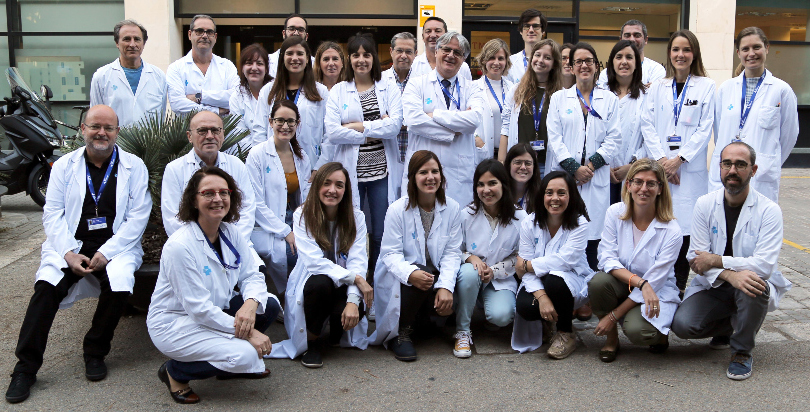
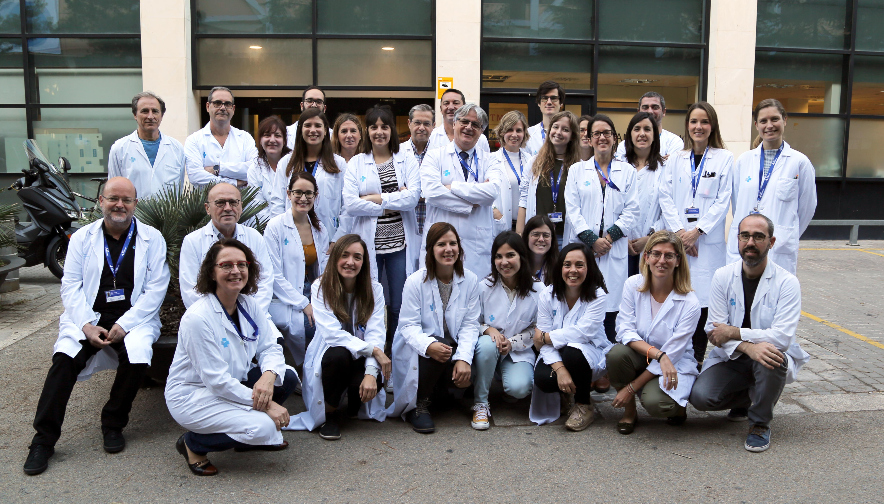
The Immunomediated Diseases and Innovative Therapies is a heterogeneous area composed by both translational and clinical research groups which cover fields such as immunology, respiratory and systemic diseases, pharmacology, clinical biochemistry, rheumatology, advanced therapies or transfusional medicine. Its main strength derives precisely from this heterogeneity and the complementarity of the scientific interests and expertise of the different groups, many of which are currently joining efforts and synergizing in a variety of collaborative research projects.
Publications
Group Leader: Francisco Rodríguez Frias
Group leader: Francisco Rodríguez Frias | Senior researchers (IP): Rosanna Paciucci, Juan López Hellin | Senior Researchers: Andrea Caballero Garralda, Clara Carnicer Cáceres, Ernesto Casis Sáenz, Roser Ferrer Costa, Pilar Reimundo Díaz-Fierro, Jose Antonio Arranz Amo, Albert Blanco Grau, Silvia Camós Anguila, Inma Comas Reixach, Luz Maria Cruz Carlos, Pilar Felipe Fernández, Teresa Gené Junyent, Marina Giralt Arnáiz, Anna Gomez, Carolina González Fernández (Laboratori Hospital Althaia Manresa), Rosa López Martínez, Marià Martínez, Jordi Ramis Fossas, Clara Ramirez Serra, Xisca Rossinyol Miralles, Joaquin Ruiz Altarejo, Conrad Vilanova Navarro, Jaume Vima Bofarull, Andrea Arias García, Laura Castellote Bellés | PhD Students: Pablo Gabriel Medina, Yolanda Villena Ortiz, Cristina Cea Arestín, Luisa Martínez Sánchez, Raquel Barquin del Pino, Laura Castillo Ribelles | Laboratory technicians: Pilar Bonet Palomares, Jose Joaquin Durán González, Angeles Esteban Pepió, Gerardo Ruiz Salinas, Francisco Torralba