Neurosciences
Overview
The Neuroscience area is consolidating its position as one of the largest clusters of research labs working on neurological diseases across Europe. At present, the area comprises 14 groups with more than one hundred fully dedicated researchers in close contact with top clinicians in the hospital. These research groups pursue a better and multifaceted understanding of the etiopathogenic mechanisms underlying a large variety of mostly adult but also pediatric neurological disorders including stroke, multiple sclerosis, Alzheimer’s disease, Parkinson’s disease, primary headaches, epilepsy, neuromuscular disorders, and also neurosurgical and psychiatric pathologies. The area also integrates groups involved in neuroimaging, analysis and interpretation of high-throughput data, and gene therapy strategies to target inflammatory and neurodegenerative neurological conditions.
Publications
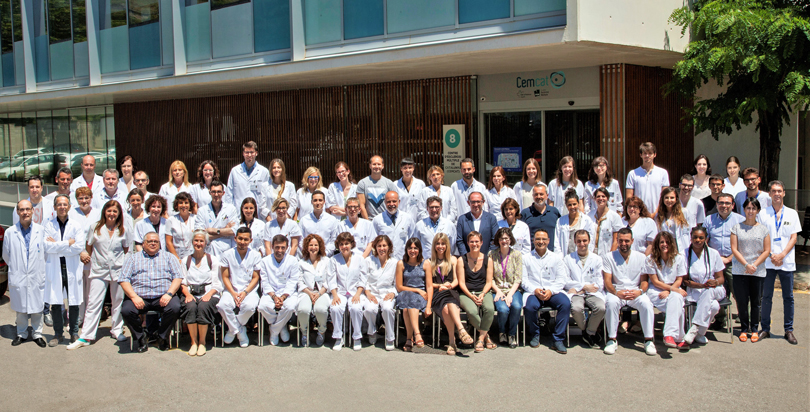
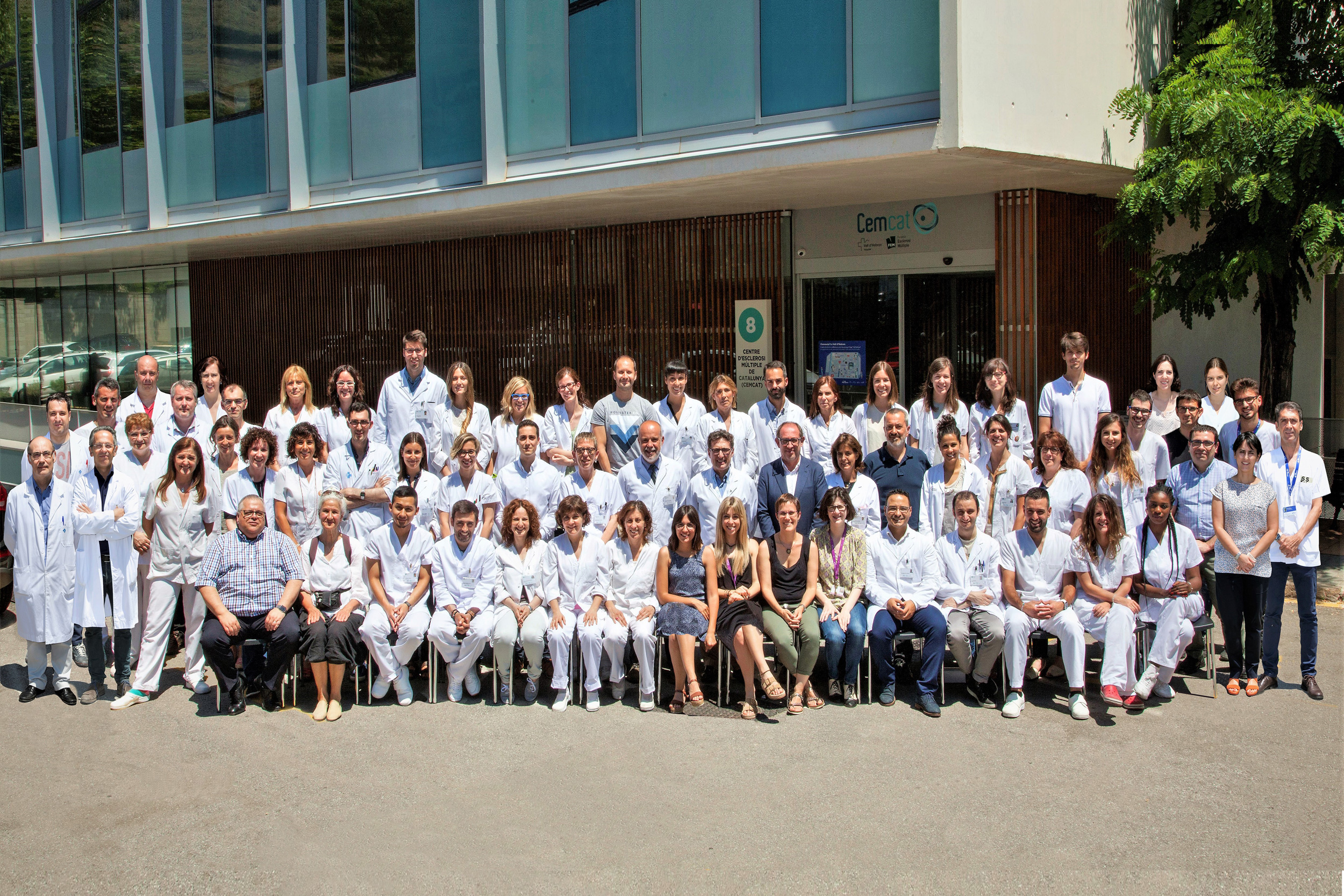
Group Leader: Xavier Montalban Gairín
Group Leader Montalban Gairín, Xavier | Senior researchers (PI) Comabella López Manuel, Espejo Ruiz Carmen, Fissolo Nicolás Miguel, Malhotra Sunny, Montalban Gairín Xavier, Río Izquierdo Jordi, Tintoré Subirana Mar, Vidal Jordana Àngela | Researchers Anglada Clofent Elisenda, Arévalo Navinés María Jesús, Arrambide García Georgina, Cardenas Robledo Simón, Castilló Justribó Joaquín, Eixarch Ahufinger Herena, Galán Cartañá Ingrid, Menéndez Díaz Rebeca, Meza Murillo Edwin Roger, Midaglia Fernández Luciana, Mulero Carrillo Patricia, Nos Llopis Carlos, Otero Romero Susana, Rodríguez Acevedo Breogán, Sastre-Garriga Jaume, Sibera Aresté Xavier, Tagliani Paula, Zabalza De Torres Ana | PhD student Calvo Barreiro Laura, Matute Blanch Clara, Pinteac Rucsanda | Lab Technician, nursing and administrative staff Alarcon Giménez Irene, Beltrán Vallés Jordina, Bonastre García Mercè, Cabello Martínez Sergio, Calderer Suárez Cristina, Camiña Rodríguez Gabriel L., Capell Maymó Margarida, Carbonell Miravent Pere Josep, Castillo Juárez Mireia, Domeño Baztán Javier, Fàbregas Xauradó Dolors, Ferrer López Silvia, Filló Papiol Núria, Fraga Pereira Milagros, García Mérida Rafael, García Serqueda Montserrat, García Montalvo María Jesús, Graells Salvador Josep, Grass Fernández Daymet, Grau Vilanova Carles, Guerrero Pérez Ana Isabel, Henríquez Gaztañondo María Gloria, Herrero Santero Raquel, Horno Ocaña Rosalía, Janer Cabo Montserrat, Laganà Ilaria, López Martos Francisca, Loyola Sanmillán Gaizka, Márquez Parra José David, Martínez Royuela Nuria, Martínez Sabaté Núria, Morilla Castillo Elisabeth, Muñoz Valdivielso Dúnia, Navarro Pérez Margarita, Nualart Mundó Oriol, Oriol Pujol Clara, Renom Guiteras Marta, Resina Sallés Mireia, Rivera Pincay Andrés, Rius Porta Emma, Robles Sánchez Miguel Ángel, Rodríguez Barranco Marta, Romero Reinaldos Montserrat, Sánchez Pous Samuel, Santoyo Medina Carmen, Sao Avilés Agusto César, Segura Davila Karen Amanda, Serrano Mascarós Andrea, Soler García Sílvia, Vergara Ruíz Sergio, Vetoret Vázquez Cristina