Neurosciences
Overview
The Neuroscience area is consolidating its position as one of the largest clusters of research labs working on neurological diseases across Europe. At present, the area comprises 14 groups with more than one hundred fully dedicated researchers in close contact with top clinicians in the hospital. These research groups pursue a better and multifaceted understanding of the etiopathogenic mechanisms underlying a large variety of mostly adult but also pediatric neurological disorders including stroke, multiple sclerosis, Alzheimer’s disease, Parkinson’s disease, primary headaches, epilepsy, neuromuscular disorders, and also neurosurgical and psychiatric pathologies. The area also integrates groups involved in neuroimaging, analysis and interpretation of high-throughput data, and gene therapy strategies to target inflammatory and neurodegenerative neurological conditions.
Publications
Group Leader: Miquel Vila Bover
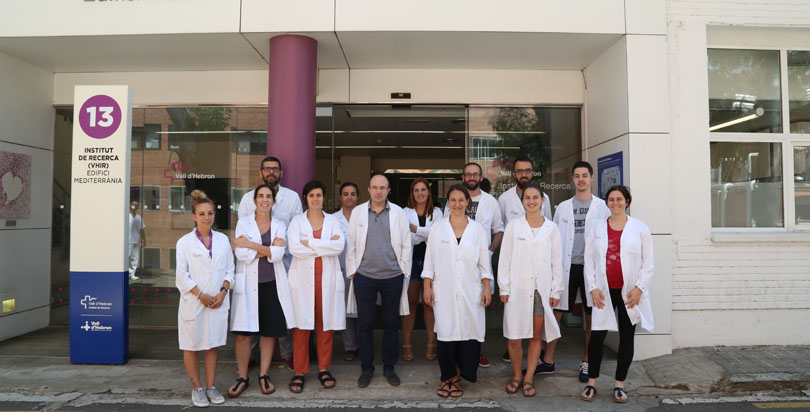
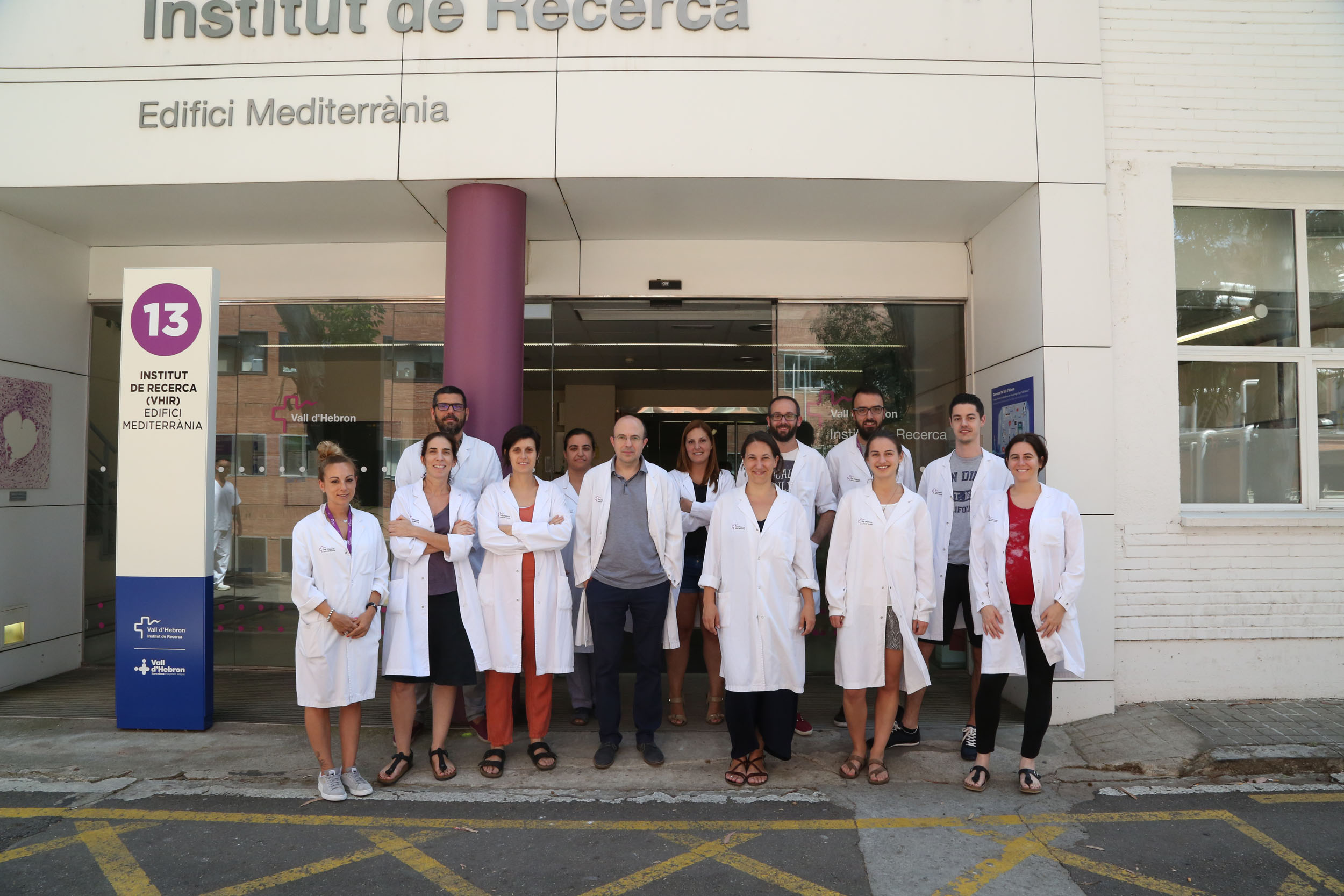
Group Leader Miquel Vila Bover | Senior researchers (PI) Ariadna Laguna Tuset, Jordi Bové Badell, Marta Martinez Vicente | Senior researcher Jorge Hernández Vara, Oriol de Fabregues-Boixar Nebot | Post-Doctoral Researchers Jumpei Kobayashi, Thais Cuadros Arasa, Marta González Sepúlveda, Iria Carballo Carbajal, Alba Navarro Romero | PhD Students Joan Compte Barrón, Jordi Galiano Landeira, Camille Guillard Sirieix, Sara Lucas del Pozo, Marta Montpeyó Garcia-Moreno, Alba Nicolau Vera, Núria Peñuelas Peñarroya, Helena Xicoy Cortada | Lab Technician Annabelle Parent, Jordi Riera Heredia, Jordi Romero Gimenez