Vascular Biology and Metabolism (VAM)
Overview
The VAM area was created to allow a comprehensive, cooperative and multidisciplinary approach in basic, clinical and epidemiology research. The ultimate goal is the innovation and transfer of solutions in a group of diseases that are closely interrelated and that constitute the leading cause of morbidity and mortality in the world: cardio-cerebrovascular disease, diabetes-metabolic syndrome and renal impairment. The VAM area includes preclinical and clinical research staff from our center, and collaborative work with groups of the highest international prestige. VAM area includes 8 groups: Cardiovascular Pathology, Diabetes and Metabolism, Nephrology, Ophthalmology (focused on retinal vascular disease), CIBBIM-Nanomedicine and Kidney Physiopathology, Medical Molecular Imaging, Neurovascular Diseases, and Research on Aging, Frailty and Transitions in Barcelona. All groups use an integrative tridimensional approach to generate knowledge on the mechanisms of diseases to generate new diagnostic and therapeutic tools.
Publications
Group Leader: Anna Rosell Novel
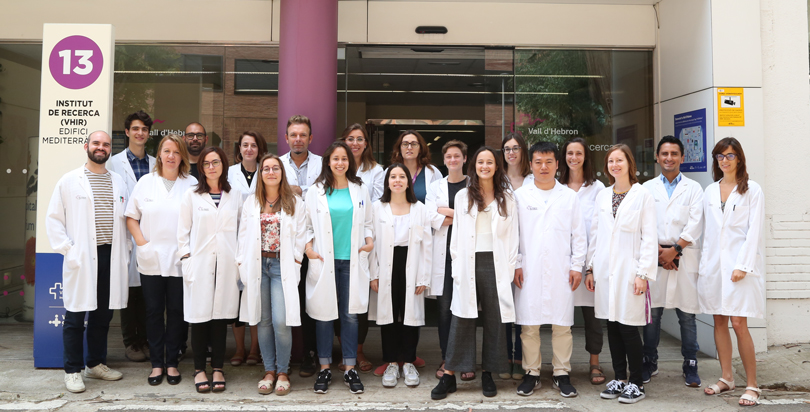
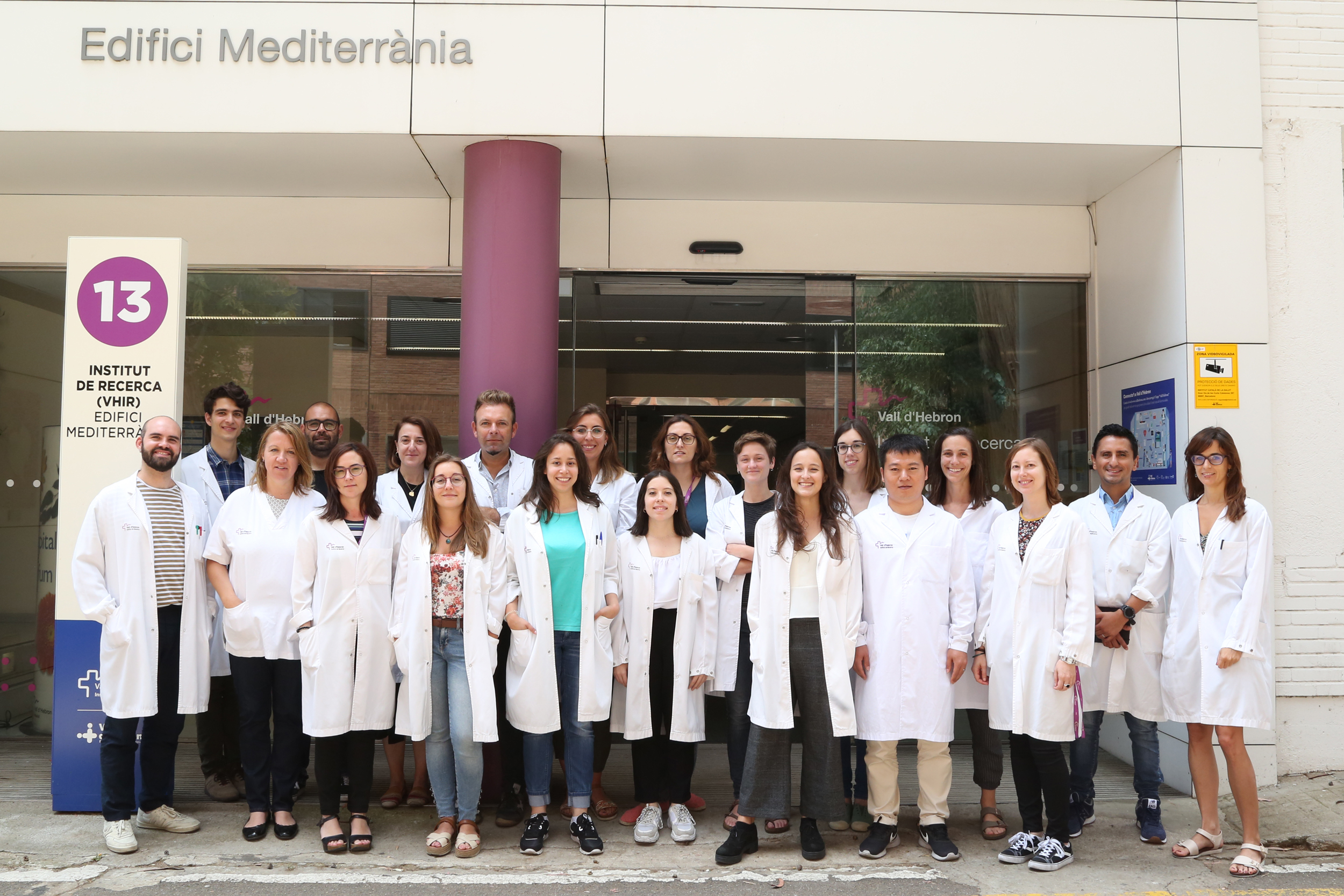
Group Leader Anna Rosell Novel | Principal Investigator José Álvarez Sabín, Alejandro Bustamante Rangel, Pilar Delgado Martínez, Mar Hernández Guillamon, Joan Montaner Villalonga | Researcher Israel Fernández Cadenas, Olga Maisterra Santos, Alba Simats Oriol, Montse Solé Piñol, Gema Esquiva | Researchers in training Mercedes Arrué Gonzalo, Anna Bonaterra Pastra, Caty Carrera Vásconez, Júlia Faura Llorens, Alba Grayston Morales, Joan Jiménez Balado, Ting Lei, Paula Marazuela Fuentes, Elena Palà Vila, Laura Ramiro Pascual, Núria Torres Águila, Nicolás Garcia Rodriguez | Lab Technician Natalia Gill Testa, Anna Penalba Morenilla | Research Assistant Miguel García Gabilondo, | Manager, coordination & support Natàlia Corbeto López, Silvia Ruiz Álvarez, Elvira Chocano Navarro, Rosa María Delgado Sánchez | Statistician Emilio Pecharromán Rabella, Marcel Lamana | Nurse Jesús Pizarro Gonzálvez.