Neurosciences
Overview
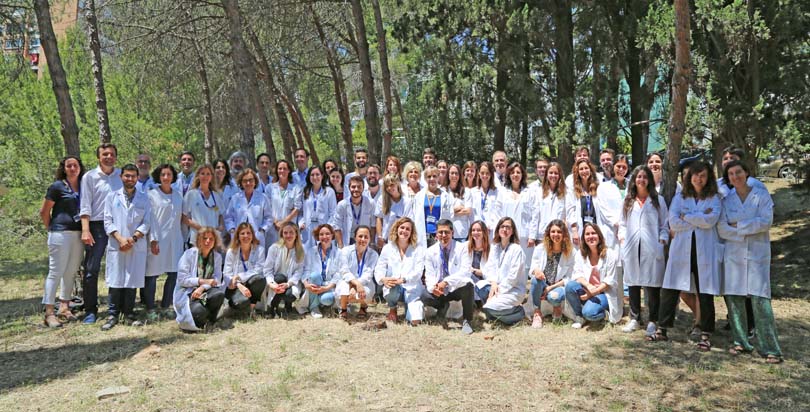
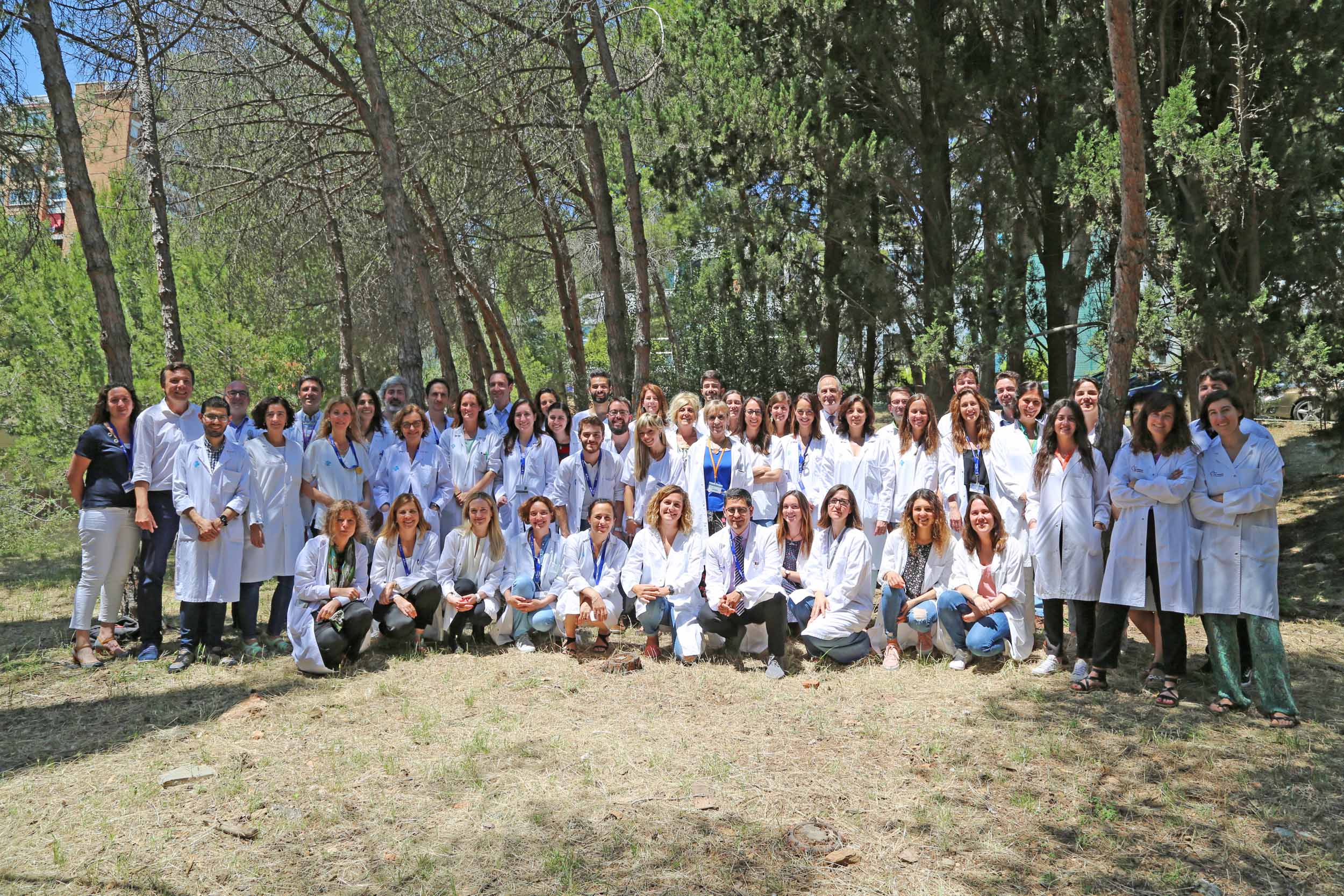
The Neuroscience area is consolidating its position as one of the largest clusters of research labs working on neurological diseases across Europe. At present, the area comprises 14 groups with more than one hundred fully dedicated researchers in close contact with top clinicians in the hospital. These research groups pursue a better and multifaceted understanding of the etiopathogenic mechanisms underlying a large variety of mostly adult but also pediatric neurological disorders including stroke, multiple sclerosis, Alzheimer’s disease, Parkinson’s disease, primary headaches, epilepsy, neuromuscular disorders, and also neurosurgical and psychiatric pathologies. The area also integrates groups involved in neuroimaging, analysis and interpretation of high-throughput data, and gene therapy strategies to target inflammatory and neurodegenerative neurological conditions.
Publications
Group Leaders: Miquel Casas Brugué and Josep Antoni Ramos Quiroga
Group Leaders Miquel Casas Brugué and Josep Antoni Ramos Quiroga | Faculty Specialists in Psychiatry Gara Arteaga Henríquez, Eugeni Bruguera Cortada, Sonsoles Cepeda Díez, Francisco Collazos Sanchez, Rafaela De La Mata Hidalgo, Gemma Español Marti, Christian Fadeuilhe Grau, Marc Ferrer Vinardell, Xavier Gastaminza Perez, Laura Gisbert Gustemps, Nuria Gomez Barros, Lara Grau Lopez, Pilar Lusilla Palacios, Mª Nieves Martinez Luna, Nadia Morales Gordillo, Jose Antonio Navarro Sanchis, Raúl Felipe Palma Álvarez, Gloria Palomar Martinez, Gemma Parramon Puig, Marta Quesada Franco, Maria Del Mar Ramos Gascon, Vanesa Richarte Fernandez, Amanda Rodriguez Urrutia, Elena Ros Cucurull, Anna Salas Martínez, Miguel Sandonís Vicente, Pedro G. Serrano Pérez, Júlia Vendrell Serres | Faculty Specialists in Psychology Nuria Bassas Bolibar, Anna Beneria González, Rosa Bosch Munso, Natalia Calvo Piñero, Lucía Cellerino, Helena Closa Castells, Marina Comin Zafon, Margarita Corominas Roso, Montserrat Corrales De La Cruz, Constanza D. Daigre Blanco, Mercedes Delgado Arroyo, María Emilia Dip Pérez, Judith Fernández Quirós, Sara Guila Fidel Kinori, Mireia Forner Puntonet, Carlos Jacas Escarcellé, Benjamín Lara Castillo, Jorge Lugo Marín, Gemma Nieva Rifa, Judit Palacio Sánchez, Marta Perea Ortueta, Raquel Prat Farras, Adil Qureshi, Carolina Ramos Sayalero, Cristina Rivas Pérez, Imanol Setién Ramos, Laura Sixto Obradors, Marta Sorribes Puerta, Laura Vidal Estrada, Raquel Vidal Estrada | Biologists Mireia Pagerols Teixidó, Marta Ribasés Haro, Paula Rovira Lorente, Cristina Sánchez Mora, María Soler Artigas, Laura Vilar Ribo | Internal Doctors in Psychiatry Marta Bové Lascurain, Júlia Dualde Marín, Juan Duque Yemail, Aurea Fernández Ribas, Raquefet Lidai Carpio, María Fernanda Mantilla Reyes, Conchita Martínez Sánchez, Germán Ortega Hernandez, Violeta Pérez Rodríguez, Mª Ángeles Pozuelo López, Albert Soriano Dia, Oscar Soto Angona, Olga Valero García, Sebastián Reynaldo Vargas Cáceres and Joan Marcos Vidal Martínez | Internal Doctors in Psychiatry Juan Duque Yemail, Laura Gallego Pardo, Marc González Domínguez, Benedetta Inzoli Inzoli, Raquefet Lidai Carpio, María Fernanda Mantilla Reyes, Germán Ortega Hernandez, Aldo Andrés Pereira Pinto, Albert Soriano Dia, Oscar Soto Angona, Olga Valero García, Sebastián Reynaldo Vargas Cáceres | Internal Doctors in Psychology Eudald Castell Panisello, Bárbara Citoler Naval, M. Neus Estelrich Costa, Sara García González, Zaira Nieto Fernández, Christina Regales Peco, Laia Serrat Casals | Nurse Montserrat Fabregat García | Monitors Pol Ibáñez Jiménez and Marta Valverde Collazo | Laboratory technician Lorena Arribas García | Secretary Yolanda Santaella Andrés