Neurosciences

< Back

Overview

The Neuroscience area is consolidating its position as one of the largest clusters of research labs working on neurological diseases across Europe. At present, the area comprises 14 groups with more than one hundred fully dedicated researchers in close contact with top clinicians in the hospital. These research groups pursue a better and multifaceted understanding of the etiopathogenic mechanisms underlying a large variety of mostly adult but also pediatric neurological disorders including stroke, multiple sclerosis, Alzheimer’s disease, Parkinson’s disease, primary headaches, epilepsy, neuromuscular disorders, and also neurosurgical and psychiatric pathologies. The area also integrates groups involved in neuroimaging, analysis and interpretation of high-throughput data, and gene therapy strategies to target inflammatory and neurodegenerative neurological conditions.

Publications

276
total
1952
impact factor
7.07
average impact factor

Group Leader: Carlos Molina Cateriano

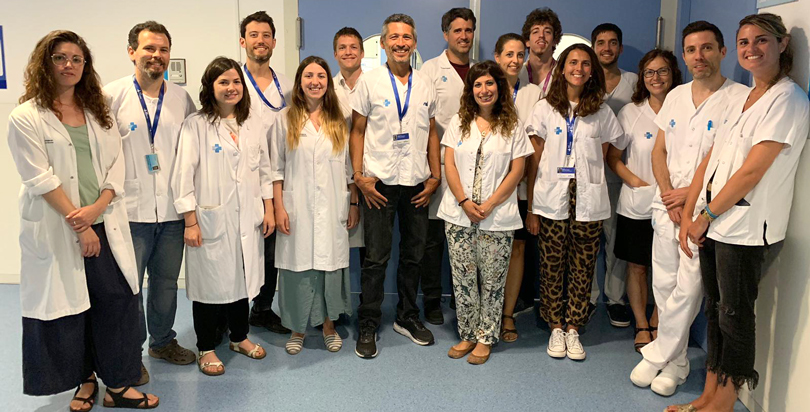
The Stroke Research Group has directly contributed to the global development of endovascular stroke treatment by participating in steering committees and being one of the top recruiters in acute stroke trials. It is also co-leading the RACECAT trial, which will establish which prehospital circuits should be followed by stroke patients. These trials complement the One-step project funded by an innovative public procurement program with €14 million.

The Stroke Research Group has led an international project to optimize intensive antithrombotic therapy in patients with minor stroke and TIA. Recently, we demonstrated, for the first time, the effectiveness of the combination of aspirin / ticagrelor in reducing the risk of disabling stroke (NEJM 2020). We lead the SMART STROKE project, a European multicenter project for the implementation of an artificial intelligence platform and blockchain to achieve the interoperability of information systems and the integration of clinical data and technological solutions for the development of predictive models and create feedback mechanisms aimed at activating patients and promoting accurate and individualized medicine.

The group has also developed a research line to optimize the results of mechanical thrombectomy participating in the creation of Anaconda biomed, a start-up that develops a new thrombectomy system, creating a 3D printed model (FLOWCAT) for evaluation of new devices and techniques, participating in clinical trials evaluating new devices, and publishing numerous related papers. In this sense, the research group has directed 6 doctoral theses in the period 2016-2019.

We also develop telemedicine projects and an e-health platform (Farmalarm) that allows for a comprehensive and comprehensive monitoring of patients that has demonstrated its effectiveness in the long-term control of vascular risk factors.

VHIR Annual Report 2019