Oncology
Overview
The Oncology Research Area has been composed by nine groups addressing main unsolved issues in cancer. The research during this period covered the fields of child and adolescent cancer, melanoma, gynecology, urology, cancer stem cells and the molecular mechanisms of the tumor pathologies. There were also three groups from the CIBBIM-Nanomedicine. These groups studied the use of nanotechnology in biomedical applications to improve therapeutic strategies and diagnostics. During the last years the Area has been very active at shared activities such as the virtual AACR yearly meeting, the internal and external ONCO-VHIR seminars and the organization of other periodic topic-based workshops and leisure and team-building activities. This year the Area also organized a World Cancer Day event to get closer to the society. During the mentioned period most groups of the Area have participated in the In-Campus multidisciplinary Task Force Groups for different tumors (gastric, prostate, melanoma, ginecology etc. with the specialized pathologist also involved) that have been fueled by VHIR-VHIO-Hospital. It is also noteworthy the shared scientific production in terms of publications between different groups of the Area and the stable collaborations between groups that have consolidated during these period.
Publications
Group Leader: Santiago Ramon y Cajal Agüeras
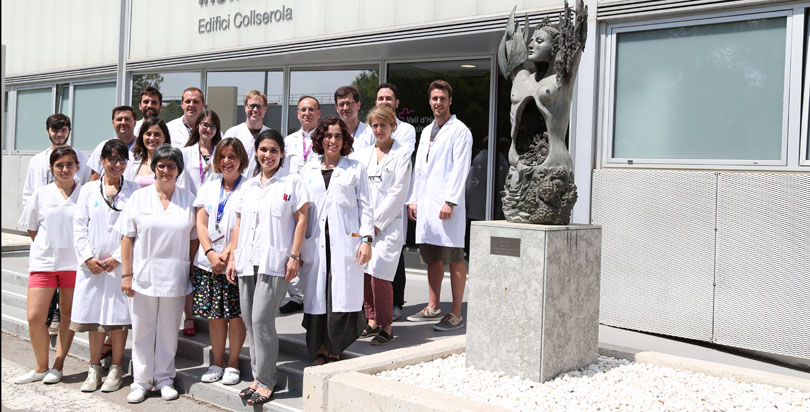
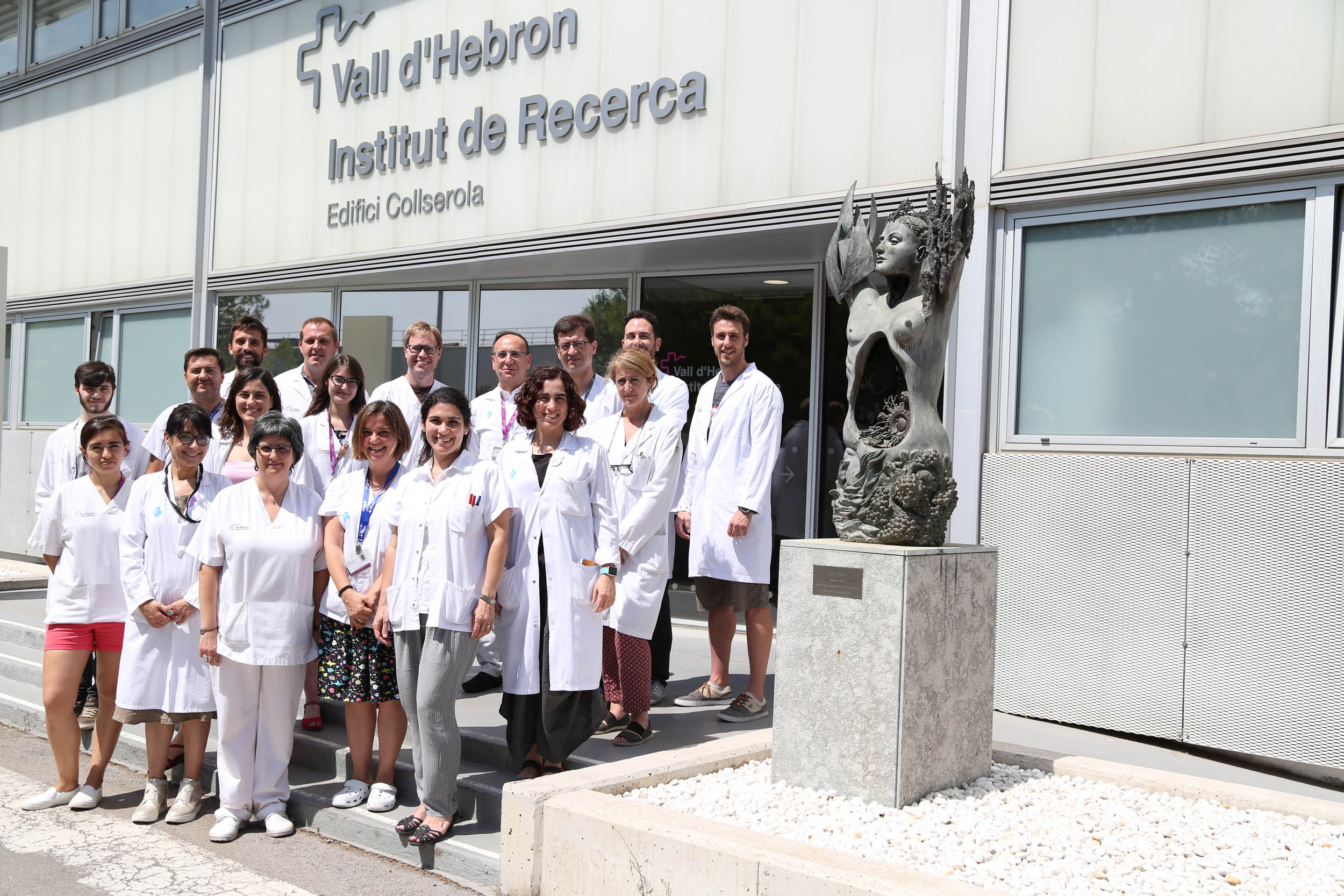
Group Leader Santiago Ramon y Cajal Agüeras | Senior researchers (PI) Cleofe Romagosa Perez Portable, Trond Aasen | Senior Researcher Javier Hernandez Losa, Vicente Peg Camara, Josep Castellvi Vives, Angel Garcia Jimenez, Stefania Landolfi, Elena Antima Martinez Saez, Maria Teresa Salcedo Allende, Irene Sansano Valero, Stefan Hümmer | PhD Students Maria Jose Muñoz, Pedro Fuentes Varela | Lab Technician Teresa Moline Marimon, Rosa Somoza Lopez de Haro, Pedro Jesus Guijarro Carrillo | Project Manager Marta Sese Faustino